
Frances Farmer and the Shadowland Lobotomy Dispute
November 18, 2026 · 10:54 AM PT
#francesfarmer#lobotomy#westernstatehospital#shadowland#psychiatryhistory
The documented record of actress Frances Farmer's psychiatric commitments from 1943 to 1950, and the still-unproven claim that she was lobotomized.
Overview
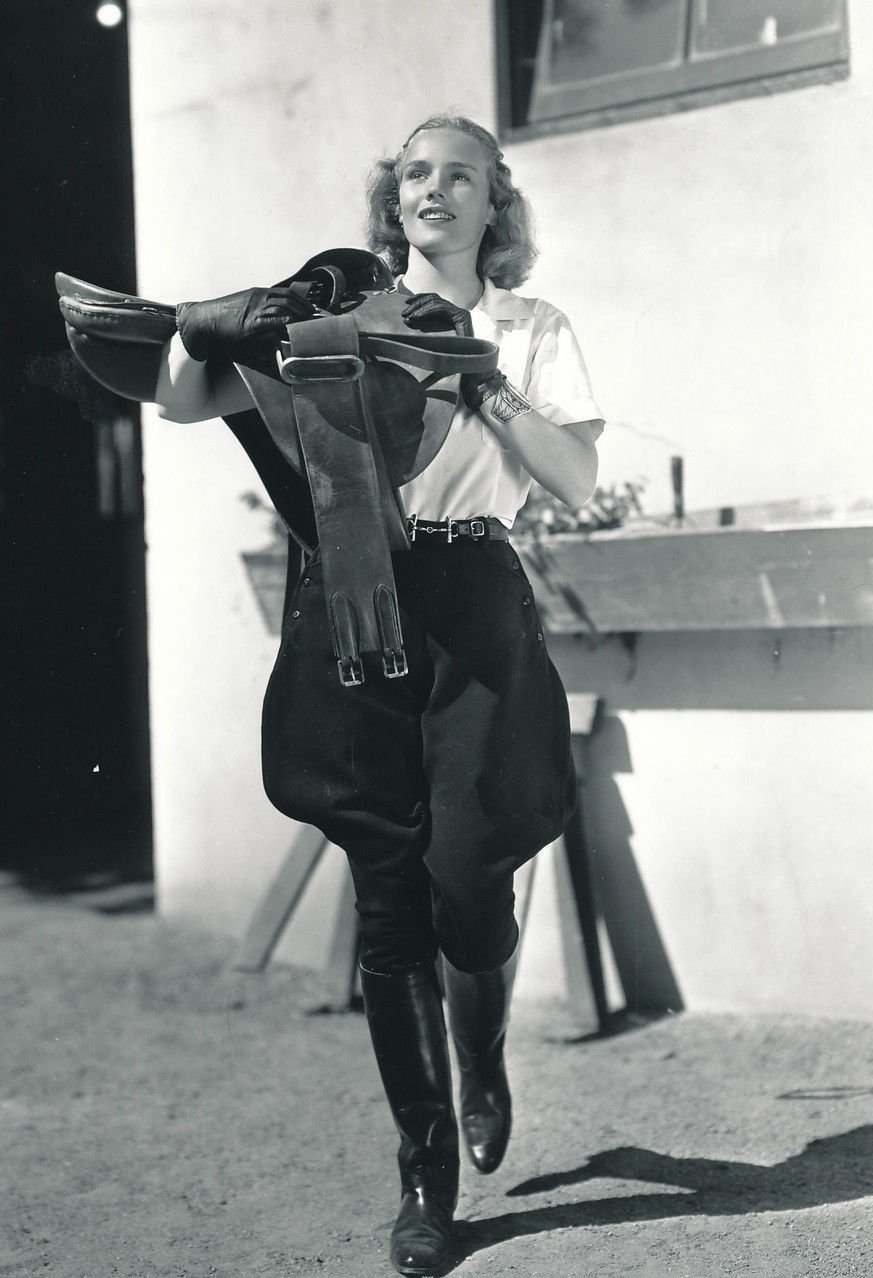
Frances Farmer (September 19, 1913 – August 1, 1970) was a Seattle-born actress who signed with Paramount in 1935 and starred in films such as Come and Get It (1936). Between 1943 and 1950 she was committed to psychiatric institutions in California and Washington, much of that time at the request of her mother. Those commitments are documented. The later claim that she was lobotomized is not, and it remains disputed.
Key Points
- After a 1942 traffic stop in the Santa Monica wartime blackout and an arrest in January 1943, a judge sentenced Farmer to 180 days in jail. Instead, on January 21 she was moved to the psychiatric ward of Los Angeles General Hospital, then to Kimball Sanitarium in the San Fernando Valley, where she was diagnosed with paranoid schizophrenia and given insulin shock therapy.
- Her mother won guardianship and took her home to Seattle in September 1943, then had her committed to Western State Hospital at Steilacoom, Washington. Farmer was released as "completely cured" in July 1944, recommitted by a court on May 21, 1945, paroled on March 23, 1950 and formally discharged in March 1951.
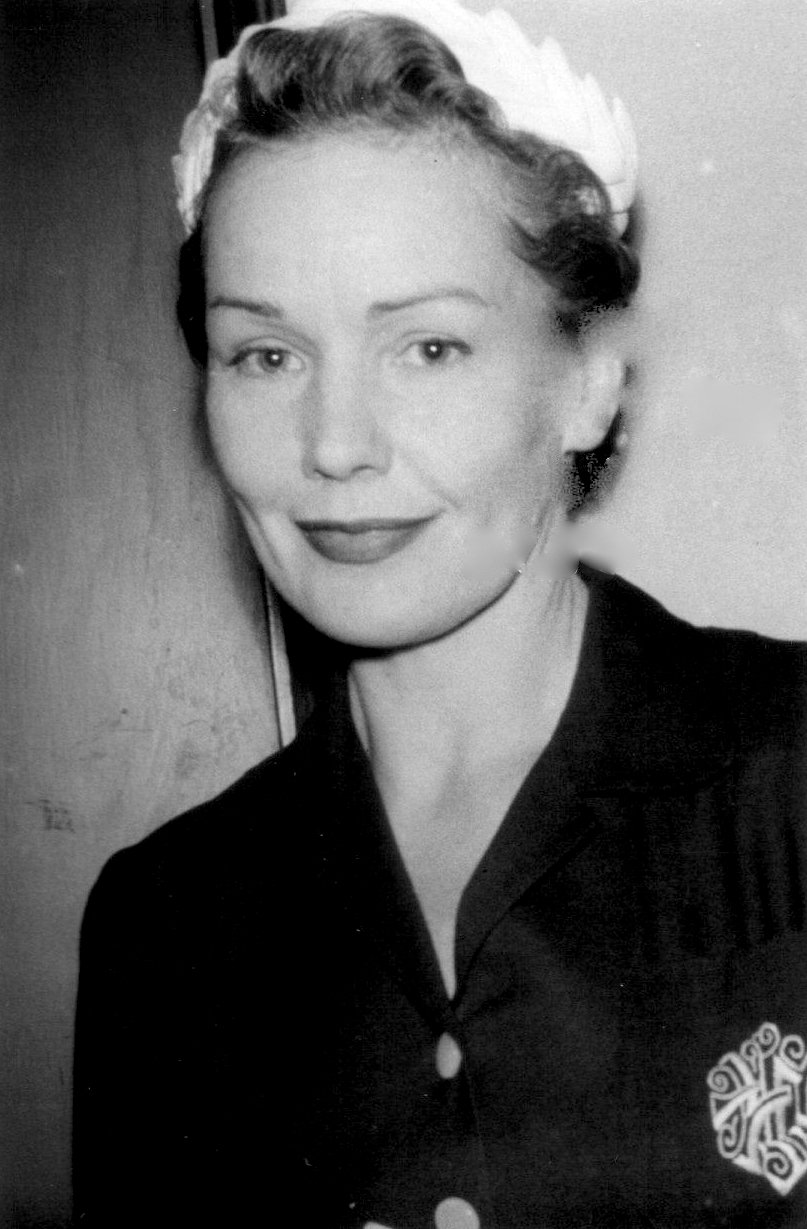
- A February 1949 Seattle Post-Intelligencer exposé described severe overcrowding at Steilacoom, with 15 graduate nurses for 2,736 patients.
- Her sister Edith later said doctors were preparing a prefrontal lobotomy in 1949 and that the family's lawyer stopped it. Edith was living in Hawaii and never visited Farmer at Steilacoom.
- The lobotomy claim comes from William Arnold's 1978 book Shadowland, which reported "indications" that Walter Freeman, who visited Steilacoom, had performed a transorbital lobotomy on her. Arnold found no record of the operation and no witness, and presented it only as a possibility. The 1982 film Frances showed it as fact.
- Some websites repeat the claim as settled fact. A page titled "Adventures with an Ice Pick" on lobotomy.info, archived in 2003, describes Freeman lobotomizing Farmer at Steilacoom in front of staff and photographers and labels a photo of her "post lobotomy," without citing any source. (Archived copy)
- Edith's 1978 book denied any abuse. Seattle writer Jeffrey Kauffmann argued in 1999 that no lobotomy occurred, citing the lack of a surgical record and of a drastic personality change, and said Arnold admitted at the 1983 Frances trial to fictionalizing much of the story. In 2017 Arnold said that testimony concerned his screenplay, not the book, and pointed to reported testimony by Freeman's son that his father said he had operated on Farmer.
- Farmer's 1972 autobiography, Will There Really Be a Morning?, was partly ghostwritten by a friend, and its accounts of abuse are also disputed.
Why It Matters
Farmer's case mixes documented features of mid-century psychiatry, including involuntary commitment, insulin shock and overcrowded state hospitals, with a dramatic claim that has never been proven. Keeping the two apart matters for any history of the period.
Citation
- Frances Farmer, Will There Really Be a Morning? (New York: G.P. Putnam's Sons, 1972).
- William Arnold, Shadowland (New York: McGraw-Hill, 1978).
- Edith Farmer Elliot, Look Back in Love: The True Story of Fame and Misfortune of a Brilliant, Talented, Beautiful Actress and Her Family (Gemaia Press, 1978).
- Noel Marshall and William Arnold v. Marie Yates, Mel Brooks and Brooksfilms Ltd., No. CV 81-1850 MML (C.D. Cal., judgment filed October 26, 1983).
- Supporting references: Wikipedia, "Frances Farmer" and "Lobotomy" (accessed November 18, 2026).
Note: Archived pages open in the Wayback Machine. Use your browser’s Back button to return here.