
The Lobotomy in America: Egas Moniz, Walter Freeman and the Ice-Pick Operation
November 18, 2026 · 10:54 AM PT
#lobotomy#psychosurgery#walterfreeman#egasmoniz#psychiatryhistory
How the lobotomy spread from Lisbon in 1935 to about 40,000 American patients, led by Walter Freeman's transorbital "ice-pick" method, and why it was abandoned.
Overview
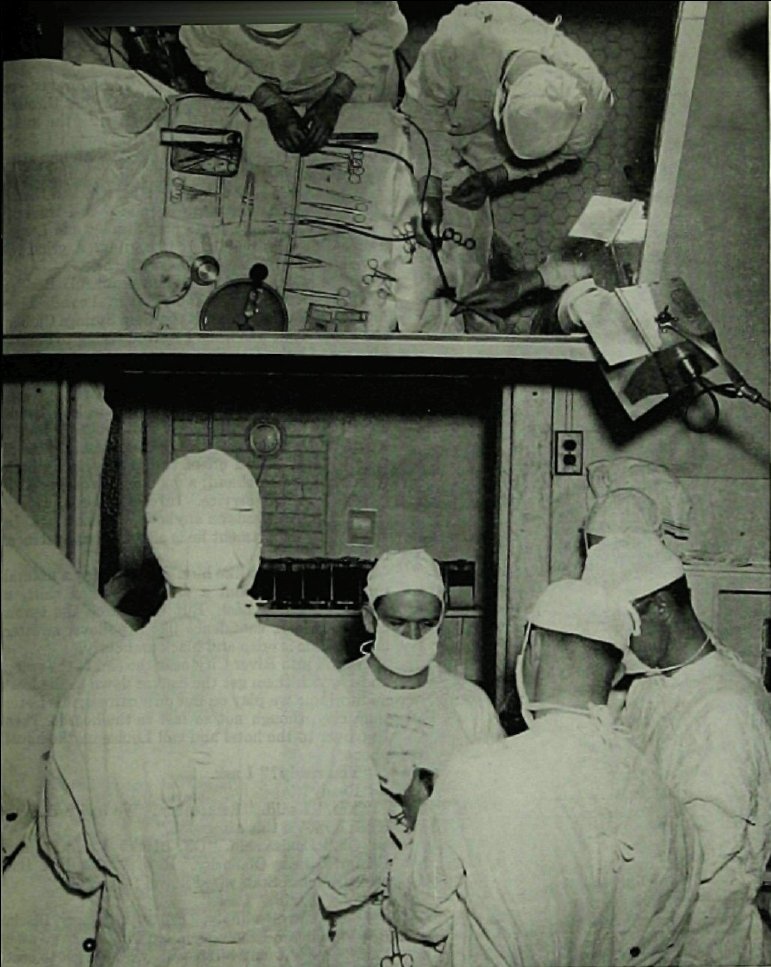
The lobotomy was a brain operation that cut connections in the frontal lobes in an attempt to relieve severe mental illness. Portuguese neurologist Egas Moniz and his surgical colleague Almeida Lima began the operations in Lisbon in 1935, and Moniz received half of the 1949 Nobel Prize in Physiology or Medicine "for his discovery of the therapeutic value of leucotomy in certain psychoses." In the United States, neurologist Walter Freeman and neurosurgeon James Watts introduced the operation in 1936 and had operated on more than 1,000 patients by 1950, according to the 1977 report of the National Commission for the Protection of Human Subjects.
Key Points
- The Commission's report, printed in the Federal Register, estimates that 40,000 prefrontal lobotomies were performed in the United States, most of them in the decade after 1945. It says the need to treat psychiatrically disturbed World War II veterans, together with optimistic early reports, drove the operation's wide adoption after the war.
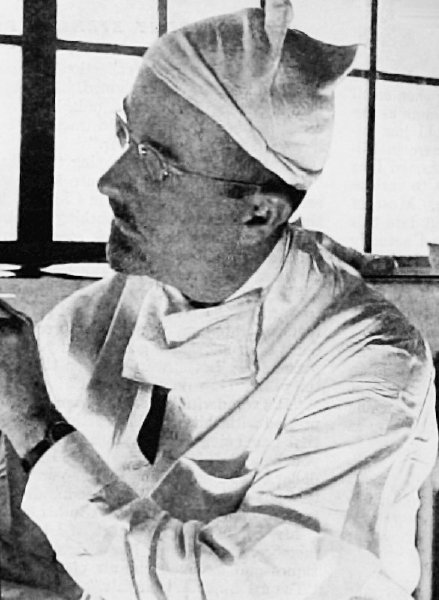
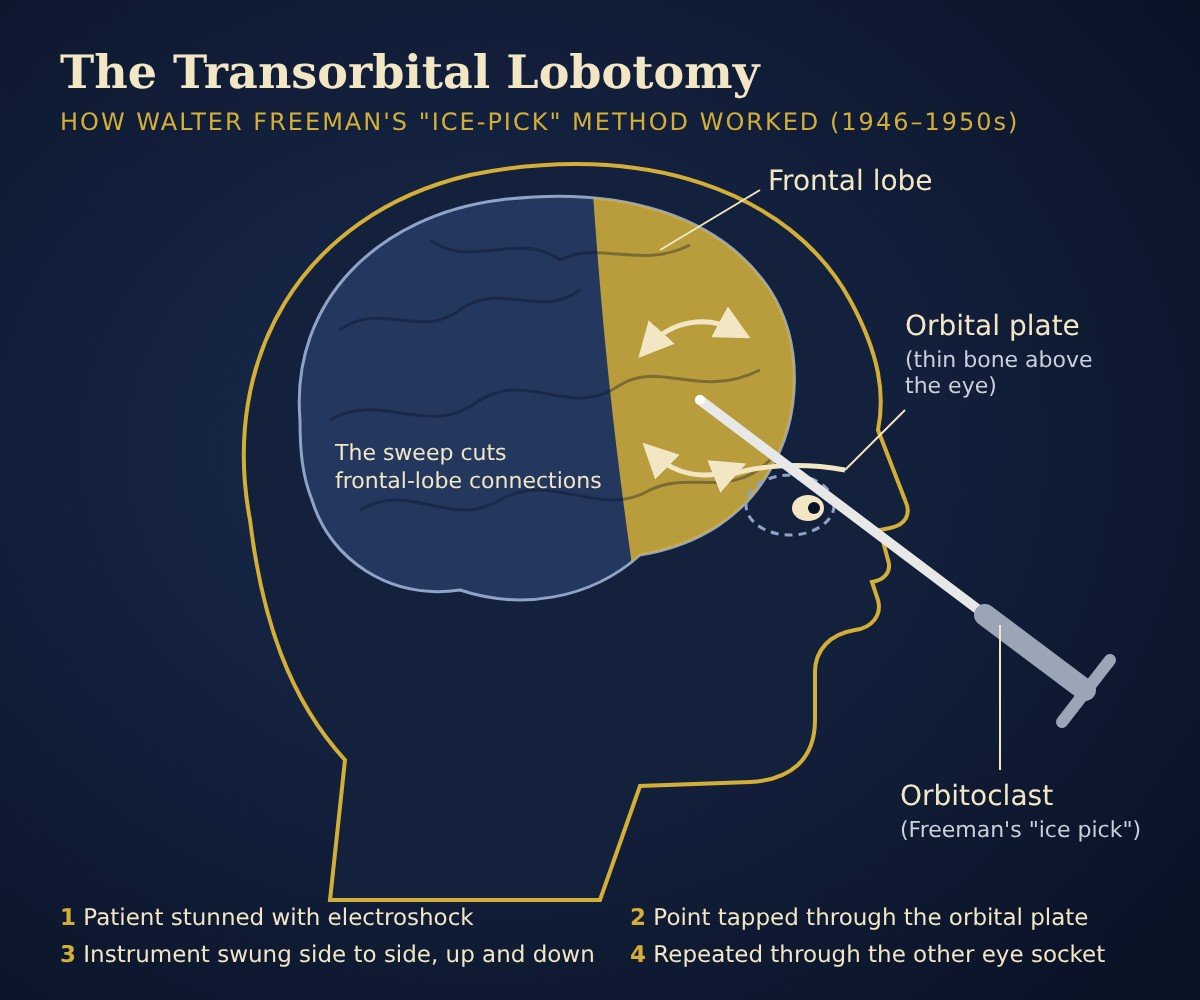
- Freeman later said he had performed or supervised psychosurgery on more than 3,500 patients. In 1945 he developed a faster "transorbital" method on cadavers, reaching the frontal lobes through the eye socket with an ice-pick-like instrument and adapting an approach first devised in Italy by Amarro Fiamberti in 1937. He first used it on a living patient in January 1946.
- US use peaked in 1949, with 5,074 operations, and a 1951 study found that nearly 60 percent of American lobotomy patients were women.
- Known patients include Rosemary Kennedy, sister of President John F. Kennedy, who was lobotomized in 1941 and left incapacitated for life, and Howard Dully, who learned as an adult that he had been lobotomized in 1960, at age 12.
- The Nobel Prize site notes that the operation could cause serious personality changes and that its use declined sharply once medications for mental illness were developed in the 1950s. The Soviet Union banned it in December 1950.
- A 1996 timeline reposted in MindNet Journal claims Moniz was beaten to death by a patient in 1955. Biographies record instead that a patient shot him in 1939 and that he died in Lisbon on December 13, 1955, and they give no support for the claim that he was killed.
Why It Matters
The lobotomy shows how quickly an unproven brain operation spread through public mental hospitals, often on patients who could not meaningfully consent. That history shaped the later debate over psychosurgery and behavior control, including the 1977 National Commission report.
Another illustration: HowStuffWorks, How Lobotomies Work
Citation
- Nobel Prize Outreach, "Egas Moniz: Facts," NobelPrize.org. nobelprize.org ↗
- National Commission for the Protection of Human Subjects of Biomedical and Behavioral Research, "Use of Psychosurgery in Practice and Research: Report and Recommendations," 42 Fed. Reg. 26318 (May 23, 1977). GovInfo PDF ↗
- NPR, "My Lobotomy: Howard Dully's Journey," All Things Considered, November 16, 2005. npr.org ↗
- Walter Freeman and James W. Watts, "Psychosurgery: An Evaluation of Two Hundred Cases over Seven Years," Journal of Mental Science (1944).
- Supporting references: Wikipedia, "Lobotomy" and "António Egas Moniz" (accessed November 18, 2026).